Phantom Graffiti: The Bold Typeface for Street-Ready Branding
Capturing Urban Energy in Every Stroke
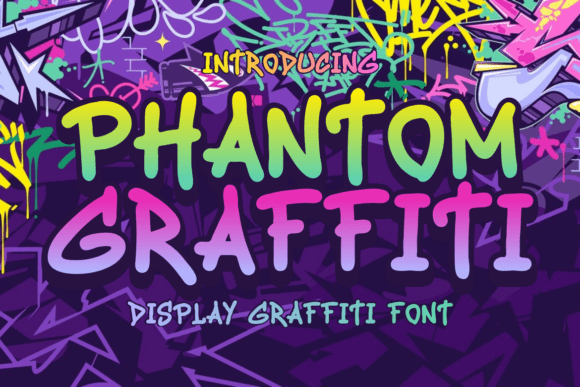
Phantom Graffiti isn't just another display font; it's a direct translation of street culture onto the digital canvas. Designed with thick, energetic brush strokes and a chunky monoline consistency, this typeface captures the raw, immediate feel of a spray-painted tag on a city wall. Its letters are intentionally irregular, with playful curves and a rebellious flair that screams individuality. For designers and brand strategists, it offers an instant injection of youthful confidence and authentic urban attitude. The characters don't just sit on a page—they vibrate with the motion of a skateboard deck or the bassline of a hip-hop track. This is a premium font built for projects that need to be loud, bright, and unapologetically bold.
Where to Unleash This Creative Font
The true strength of Phantom Graffiti lies in its specific applications. It’s not a workhorse for body copy; it’s a specialist for high-impact moments. Consider using it for logo design where the brand identity is rooted in streetwear, skate culture, or youth-oriented music. It’s equally powerful for event posters, especially for concerts, festivals, or urban sports competitions. The font’s personality makes it ideal for packaging design for edgy products like energy drinks, street food brands, or bold graphic tees. In the digital space, it transforms social media graphics and YouTube thumbnails, grabbing attention in crowded feeds. For editorial design, a single headline set in Phantom Graffiti can set the tone for an entire magazine spread about counterculture or contemporary art.
Making It Work: Practical Design Guidance
Using a font as expressive as Phantom Graffiti requires a strategic approach. Its high-energy style means readability at small sizes is compromised, so it’s best reserved for headlines, logos, and pull quotes. Always test it at the intended display size. A key part of modern typography is pairing, and here, balance is crucial. Pair Phantom Graffiti with a clean, geometric sans serif font or a simple serif font for body text. The contrast allows the graffiti font to dominate the hierarchy without causing visual chaos. Think of a bold, chunky headline in Phantom Graffiti followed by a crisp paragraph in a font like Helvetica or Garamond. This pairing ensures your message is both impactful and legible.
Evaluate the font’s fit by matching its visual personality to your project’s core message. Does your brand or campaign celebrate rebellion, creativity, and raw energy? If yes, Phantom Graffiti is a strong candidate. If the project calls for elegance, tradition, or minimalist calm, it’s the wrong tool. Always review the full character set included—uppercase, numerals, and punctuation—to ensure it covers your needs. For commercial use, verify the licensing. A proper commercial font license protects your client and your work, ensuring the design assets are legally clear for logos, merchandise, and widespread distribution. This due diligence is part of professional design practice.
Beyond the Tag: Influence on Brand Perception
The typeface you choose silently communicates volumes about a brand’s personality. Selecting Phantom Graffiti as part of your brand identity toolkit sends a clear signal: this brand is energetic, contemporary, and aligned with urban youth culture. It fosters immediate recognition because its style is so distinctive. However, this strength requires careful management. Overuse can dilute its impact or make a brand feel one-note. Use it strategically for key touchpoints—a hero logo, a flagship product label, or a major event header—while relying on more neutral typefaces for day-to-day communications. This creates a dynamic visual hierarchy that feels both exciting and professional. The font’s inherent motion and attitude can significantly boost audience engagement, particularly with demographics that value authenticity and bold self-expression.
In the landscape of creative fonts, Phantom Graffiti fills a specific niche. It’s a tool for visual storytelling that speaks of rebellion and individuality. When applied thoughtfully, it doesn’t just decorate a design; it injects it with a vibrant, street-level soul that resonates deeply with its intended audience. For the designer or entrepreneur daring to be loud, it becomes an indispensable asset in the creative arsenal.